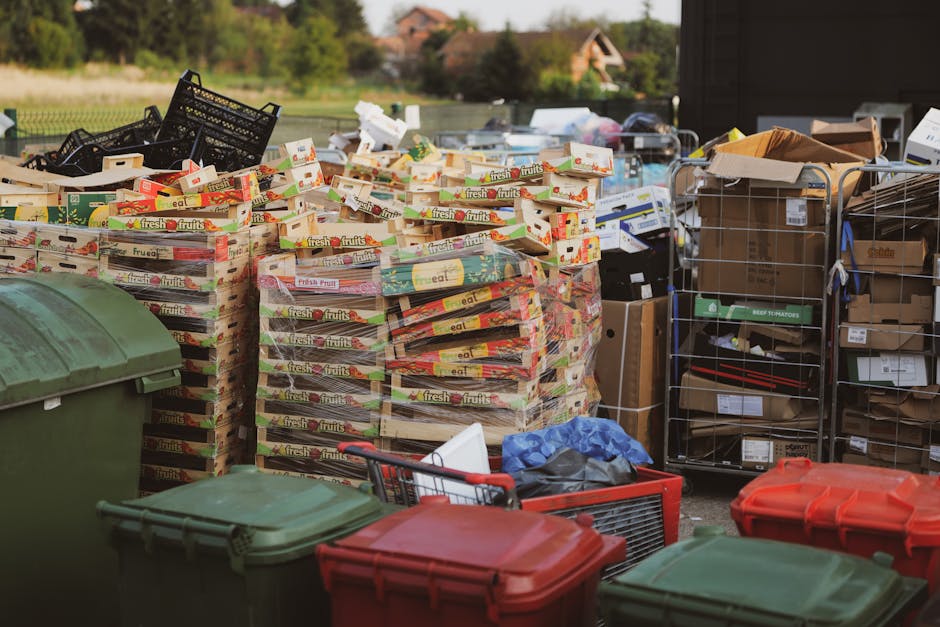
Howard Centre shop rubbish collection tips Welwyn: a practical guide for busy local retailers
If you run a shop near the Howard Centre, you already know the rhythm of retail waste: cardboard before opening, packaging at the back door by midday, and the awkward little pile that appears just when you think you've caught up. Howard Centre shop rubbish collection tips Welwyn is really about making that routine less messy, less stressful, and far more efficient. A good system saves time, keeps staff moving, and helps your premises stay tidy enough for customers not to notice the rubbish in the first place. That's the goal, really.
This guide walks through what matters, how collection can work in practice, the common mistakes shops make, and the simplest ways to keep rubbish under control without overcomplicating it. You'll also find a checklist, a comparison table, and a realistic example from a typical shop-floor setting. No fluff, just the bits that help.
Contents
- Why Howard Centre shop rubbish collection tips Welwyn matters
- How Howard Centre shop rubbish collection tips Welwyn works
- Key benefits and practical advantages
- Who this is for and when it makes sense
- Step-by-step guidance
- Expert tips for better results
- Common mistakes to avoid
- Tools, resources and recommendations
- Law, compliance, standards, or best practice
- Options, methods, or comparison table
- Case study or real-world example
- Practical checklist
- Conclusion
- Frequently asked questions
Why Howard Centre shop rubbish collection tips Welwyn matters
Retail waste is not just a back-of-house issue. It affects presentation, hygiene, working space, and sometimes customer perception too. In a shopping-centre setting, where footfall changes through the day and storage space is usually limited, rubbish can build up fast. A few flattened boxes are manageable; a week of mixed packaging, broken hangers, old display materials, and food wrappers is another story entirely.
For shops in or around the Howard Centre, the challenge is usually space rather than volume alone. You may not have a private yard. You may share loading access. Staff may be carrying stock through the same corridors customers use. So the way you handle rubbish collection has to be organised, quiet, and quick. Not glamorous. Just practical.
There's also the reputational side. A shop that looks clean at the front but cluttered at the back often runs less smoothly than it appears. When waste is collected on a sensible schedule, the whole unit feels calmer. You notice it in the morning. You notice it at closing time too.
And there is a cost angle. Poor waste handling can create avoidable labour, unnecessary skip space, and extra collection calls. A better system usually means less time spent moving the same rubbish around. That alone is worth thinking about.
How Howard Centre shop rubbish collection tips Welwyn works
In practice, shop rubbish collection works best when you treat waste as part of daily operations rather than an afterthought. The process is simple enough, though the details matter. Staff separate waste as it is created, store it safely, and keep collection points clear so removal can happen without disrupting the shop.
For most retail units, waste falls into a few broad groups:
- Cardboard and paper from stock delivery boxes, shelf packaging, and promotional material.
- General waste such as food wrappers, disposable gloves, tape, damaged packaging, and contaminated items.
- Bulky retail waste like broken display stands, damaged fixtures, or old shelving components.
- Special items that may need separate handling, such as appliances, hazardous materials, or confidential paperwork.
Collection usually becomes smoother when waste is compacted and sorted before the removal team arrives. Flattening cardboard, tying small bags securely, and keeping heavy or awkward items separate all save time. It sounds obvious, but to be fair, the obvious bits are often the ones people skip when the shop is busy and someone's calling for change at the till.
If your rubbish is being removed by a commercial waste team, a house-clearance style service is not the same thing as a business collection. Retail waste needs a setup that fits trading hours, staff access, and your responsibility to keep things tidy. That is where a more structured approach to business waste removal becomes useful.
Key benefits and practical advantages
Good rubbish collection is not just about empty bins. It makes day-to-day retail work feel easier. The benefits show up in small ways first, then become hard to ignore.
- Cleaner customer areas - less chance of packaging creeping into visible spaces.
- Safer back-of-house movement - fewer trip hazards and less blocked access.
- Better stock handling - staff can unpack deliveries without fighting last week's waste.
- Faster closing routines - rubbish gets dealt with, not shuffled around until tomorrow.
- Less odour and contamination - especially if food waste or wet packaging is involved.
- More predictable costs - planning waste properly tends to reduce panic removals.
There's also the less visible benefit: team morale. People do notice when a workspace is orderly. They may not say it out loud, but they feel it. A tidy stockroom and a clear loading area make a shift start better. Simple as that.
For shops dealing with awkward bulky items, it can also be worth looking at specialist disposal routes. For example, old units, damaged counters, or worn customer seating may be better handled through furniture disposal rather than dumped into mixed waste. That kind of decision usually pays off in tidiness and efficiency.
Who this is for and when it makes sense
This topic is relevant to a wide range of retail businesses, not just large stores. If you operate anywhere near the Howard Centre and generate regular rubbish, you'll probably recognise some of these situations.
- Independent shops with small stockrooms and limited bin space.
- Chain retailers managing brand presentation and standardised waste routines.
- Pop-up units that need quick, temporary waste solutions.
- Food-adjacent retailers dealing with mixed packaging and hygiene-sensitive waste.
- Shops refurbishing displays or replacing fixtures.
- Businesses with seasonal peaks where packaging waste rises sharply for a few weeks.
It also makes sense if your current setup is slightly chaotic. Maybe bins are full by lunchtime. Maybe cardboard piles up in the wrong corner. Maybe the team is using the back corridor as a temporary dumping ground, which is never ideal. That is usually the moment to step back and redesign the system.
And if your waste involves office-style paperwork, storage materials, or confidential documents, a dedicated process for secure disposal is worth considering. In those cases, confidential shredding is a much cleaner answer than tossing papers into mixed rubbish and hoping for the best.
Step-by-step guidance
Here is a practical, no-nonsense way to tighten up your shop rubbish collection routine.
- Map your waste types. Walk the shop for one day and note what gets thrown away, where it comes from, and how often it appears.
- Set sorting points. Put recycling, general waste, and bulky items in separate locations so staff do not default to one catch-all pile.
- Flatten and bundle. Cardboard should be broken down as soon as it arrives. Large boxes take up far more space than they need to.
- Create a collection window. Waste should be moved at a predictable time, ideally when stock handling is quiet and customers are not in the way.
- Label clearly. If staff are unsure where something goes, it will end up in the nearest bin. Humans are consistent like that.
- Keep access clear. Don't let waste block emergency exits, fire routes, loading doors, or service corridors.
- Review weekly. A five-minute check can reveal whether bins are oversized, too small, or simply in the wrong place.
A real-world example: a clothing shop may get a constant flow of cardboard sleeves, hangers, tissue paper, and damaged packaging. If those items are left until the end of the week, the stockroom becomes a box maze. But if staff flatten boxes throughout the day and keep reusable materials separate, the waste pile shrinks dramatically. Less noise, less clutter, fewer sighs.
If your setup includes deliveries of larger stock or refurbishment materials, it may help to compare dedicated waste collection with other disposal methods. A guide like what can go in a skip can be useful when you are deciding whether an occasional container is enough or whether a more regular removal arrangement is smarter.
Expert tips for better results
Once the basics are in place, the next gains usually come from tiny process improvements. Nothing dramatic. Just good habits repeated consistently.
- Use the right container size. If your bins are too small, staff will work around the system instead of with it.
- Keep waste stations close to where rubbish is created. People are less likely to sort waste if they have to walk halfway across the unit.
- Schedule removals before the week gets busy. A Monday morning collection can be more useful than waiting until Friday when the place is already packed.
- Train new staff early. A 60-second waste briefing can save a lot of confusion later.
- Watch for hidden bulky waste. Broken display fittings and old POS materials are easy to forget until they start leaning against a wall.
Here's one small but useful idea: make the waste area visually obvious. A tidy, signed, well-lit corner tends to stay tidy. A dark, awkward corner tends to become a dumping ground. Not always, but often enough to matter.
If your business has mixed waste streams because of refurbishment or seasonal changes, you may want to pair routine rubbish collection with a more flexible removal service. For larger clear-outs, waste removal can be a better fit than trying to squeeze everything into standard daily bins.
Common mistakes to avoid
Most waste problems are boringly predictable. That sounds harsh, but it's true. The same issues come up again and again, usually because people are busy and trying to get on with the day.
- Mixing recycling with general rubbish. Once that happens, the whole load becomes harder to handle properly.
- Leaving cardboard unflattened. Big boxes create fake volume and crowd out everything else.
- Storing waste near customer-facing areas. Even a short-term pile can make the shop feel untidy.
- Ignoring heavy or awkward items. Small bits get dealt with, while the big item sits there for weeks. Classic.
- Assuming one collection pattern suits every week. Seasonal peaks, promotions, and deliveries change the game.
- Not separating special waste. Some items need extra care, and bundling them into general rubbish can be a bad idea.
Another common issue is over-reliance on staff memory. If only one person knows where waste goes, the system breaks the moment they are off shift. Better to make it visual and simple. The bin should explain itself.
Tools, resources and recommendations
You do not need fancy equipment to improve shop rubbish collection, but a few practical tools can make a noticeable difference.
| Tool or method | Best for | Why it helps |
|---|---|---|
| Cardboard cutter or safe box knife | Packaging-heavy shops | Makes it easier to flatten boxes quickly and safely |
| Clearly labelled bins | Mixed staff teams | Reduces sorting mistakes and saves time |
| Trolley or dolly | Bulky bag movement | Helps move rubbish without dragging bags along floors |
| Dedicated storage corner | Small units | Stops waste spreading into stock or customer areas |
| Weekly waste log | Managers and supervisors | Shows patterns and helps you adjust collection timing |
For furniture-heavy shops, display changes, or old fittings, it is often worth checking whether items can be reused, dismantled, or removed separately. That can reduce the amount of mixed waste you pay to move. The same thinking applies to old shop equipment such as appliances. If fridges, chillers, or similar units are involved, a specialist route like fridge and appliance removal is usually more sensible than treating them like ordinary rubbish.
For businesses that want a better understanding of how waste handling is arranged, the pages on pricing and quotes and recycling and sustainability can help frame decisions around cost and environmental habits. You do not need to become a waste expert overnight. Just enough structure to make the routine work.
Law, compliance, standards, or best practice
When dealing with shop rubbish, you should always treat compliance and safe handling as part of the job, not an optional extra. Exact obligations depend on the type of waste and how it is stored or transferred, so it is wise to work to current UK best practice and seek appropriate guidance where needed.
In everyday terms, that means a few sensible standards:
- Keep waste secure. Bags and containers should not spill, leak, or obstruct access routes.
- Separate hazardous items. Cleaning chemicals, aerosols, batteries, and similar materials may need special handling.
- Train staff properly. People should know what goes where and what should never be mixed in.
- Use a responsible collection provider. Businesses should be confident that waste is handled and transported appropriately.
- Maintain clear records if needed. That is especially sensible for regular commercial waste arrangements.
If your shop creates waste that could be hazardous, contaminated, or difficult to classify, do not guess. Separate it and get proper advice. A cautious approach is usually the right one. The messy alternative tends to arrive later, and nobody enjoys that phone call.
Where safety is a concern during lifting, moving, or loading, keep to sensible manual handling practices. Heavy sacks should not be dragged over long distances if that can be avoided, and staff should never be asked to move awkward items without the right support. If you want to understand the provider's own standards, pages such as insurance and safety and health and safety policy offer useful reassurance.
Options, methods, or comparison table
Not every shop needs the same waste setup. The right method depends on volume, item type, timing, and how much space you have behind the counter. Here's a straightforward comparison.
| Method | Best suited to | Strengths | Limitations |
|---|---|---|---|
| Standard bin collection | Low to moderate daily waste | Simple, predictable, easy for staff | Can struggle with bulky packaging or peak periods |
| Scheduled commercial removal | Shops with regular, varied waste | Flexible, scalable, better for mixed waste | Needs clear sorting and timing |
| One-off clearance | Refits, stock changes, old fixtures | Clears a lot in one visit | Not ideal for ongoing everyday rubbish |
| Skip-based approach | Large bulky loads or project waste | Useful for concentrated volumes | Needs space and clear item rules |
If your shop is mostly dealing with routine cardboard and lightweight packaging, a structured commercial collection plan will usually be enough. If you are replacing fixtures, clearing storage, or dealing with large volumes after a refit, a more project-style approach may fit better. That's the basic decision, really.
Case study or real-world example
Imagine a small fashion retailer near the Howard Centre with two delivery days a week. On quiet days, waste is manageable. But on delivery day, the back room fills quickly: flattened boxes, plastic wrap, damaged hangers, tissue paper, and a couple of old display props that nobody has time to sort.
At first, the team places everything in one corner. By late afternoon, the corner spreads. Staff have to step around it. Stock takes longer to put away. The manager notices the shop feels cluttered, even though customers can't see the worst of it. A familiar story, honestly.
The fix is not complicated. They add one bin for general waste, one labelled area for cardboard, and one small holding space for bulky items. Deliveries are unpacked into the right streams immediately. At closing time, the duty staff member spends less than ten minutes checking the waste zone and making sure nothing is left loose.
After a few weeks, the difference is obvious. The back room feels bigger. Staff waste less time moving things twice. The shop looks calmer. Not perfect, but calmer. And calmer is good.
For bulky retail items, the manager arranges separate removal rather than putting everything into general waste. It's a small change, but it avoids clutter and keeps the routine sane. That kind of practical split is often the difference between a shop that constantly feels behind and one that stays in control.
Practical checklist
Use this checklist to tighten up your shop rubbish collection process.
- Do staff know which waste goes into which container?
- Are cardboard boxes flattened as soon as possible?
- Is there a clear, designated storage point for waste?
- Are collection times planned around trading hours?
- Are bulky items kept separate from everyday rubbish?
- Is the waste area free from trip hazards and blocked access?
- Do you know what needs special handling?
- Are bins and containers sized for your actual volume, not just guesswork?
- Is someone responsible for weekly checks?
- Have you reviewed whether your current setup still suits seasonal demand?
If you can tick most of those boxes, you are already ahead of many busy shop setups. If not, no drama. Waste systems are easy to improve once you can see the weak spots.
Get a free quote today and see how much you can save.
Conclusion
Howard Centre shop rubbish collection tips Welwyn come down to a simple idea: keep the process easy enough for staff to follow even on a hectic day. When rubbish is sorted early, stored neatly, and collected on a sensible schedule, the whole shop runs better. You protect space, reduce stress, and avoid the slow creep of clutter that always seems to arrive by stealth.
There is no magic trick here. Just tidy habits, sensible timing, and the right removal approach for the waste you actually produce. If you get that part right, the rest feels lighter. And let's face it, in retail, anything that makes the day feel a bit lighter is worth holding onto.
For a friendly, practical next step, explore the site's service information, review your waste routine, and choose the approach that fits your shop rather than forcing your shop to fit the waste.
Frequently Asked Questions
What is the best way to manage shop rubbish near the Howard Centre?
The best approach is to separate waste at source, flatten packaging quickly, and arrange collection times that do not interrupt trading. Small improvements in sorting and timing usually make the biggest difference.
How often should a shop arrange rubbish collection?
That depends on the amount of waste generated. Busy stores may need frequent collections, while smaller shops can often manage with a less regular schedule if waste is compacted properly.
Should cardboard be mixed with general waste?
Usually, no. Cardboard is best kept separate where possible because it takes up space fast and is easier to handle when it is clean and flattened.
What items count as bulky shop waste?
Bulky waste can include old shelving, display units, damaged fixtures, packing crates, and worn retail furniture. These items often need a separate removal plan rather than standard bin collection.
Can shop waste be stored in a back corridor?
Only if it is safe, secure, and does not block access routes. As a rule, waste should be kept in a designated area so it does not become a trip hazard or affect daily operations.
What should shops do with broken display furniture?
It is usually better to separate it from day-to-day rubbish and arrange a dedicated removal. Depending on the item, a furniture-specific disposal route may be more practical.
Is a skip always the best option for shop clear-outs?
Not always. Skips can work well for certain bulky loads, but regular shop waste often suits a more flexible collection service. The right choice depends on space, timing, and the type of waste.
What if our shop produces mixed waste every day?
Then you will benefit from a simple, consistent sorting system. Keep the main waste streams separate, label them clearly, and review the setup weekly so it stays realistic for staff.
Are there special rules for hazardous retail waste?
Yes, potentially. Items such as chemicals, aerosols, batteries, and contaminated materials may need separate handling. If you are unsure, do not put them in general rubbish.
How can we make rubbish collection easier for staff?
Make the system obvious. Put bins where waste is created, label everything clearly, and remove the need for guesswork. If staff can sort waste in seconds, they are more likely to keep doing it properly.
What is the biggest mistake shops make with rubbish collection?
Probably waiting until waste becomes a problem before dealing with it. By then, the space is already cluttered and the fix feels harder than it should. A little routine goes a long way.
Where can I find more information about commercial waste services?
You can review the site's pages on business waste removal, waste removal, pricing and quotes, and recycling and sustainability to understand the options and the practical differences between them.